Source refrigerant gas cylinder for HVAC, Cold Storage, and Transport
Compare 28 refrigerant gas cylinder options from verified Chinese suppliers. Buyers can evaluate specifications like R134A, R410A, and R290 models with varying capacities and certifications for industrial and commercial cooling applications; compare the available evidence and request quotations based on your requirements.
Key considerations
Products List


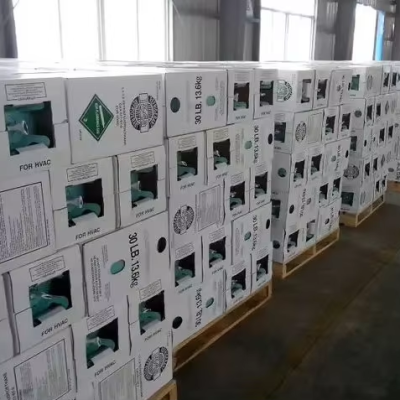


Comprehensive Sourcing Guide
Refrigerant Gas Cylinder Sourcing Guide
Procuring refrigerant gas cylinders requires a precise understanding of the chemical properties, packaging standards, and regulatory frameworks governing hazardous materials. The market offers a diverse array of products, ranging from simple disposable cylinders to complex industrial-grade containers, each tailored to specific cooling and HVAC applications. Buyers must navigate a landscape where product classifications vary significantly, including alkynes, alkanes, and alicyclic hydrocarbons, which dictate handling procedures and safety protocols. This guide provides a structured approach to evaluating suppliers and selecting the right equipment based on verified technical data and commercial terms.
The sourcing process is heavily influenced by the physical and chemical characteristics of the refrigerants themselves, such as boiling points, critical temperatures, and pressure ratings. For instance, products like R134A and R290 present distinct operational parameters that require specific cylinder designs and filling standards. Understanding these nuances is essential for ensuring compatibility between the gas and the container, as well as for complying with international transport regulations. This guide focuses on helping buyers make informed decisions by highlighting key verification steps and risk mitigation strategies.
Product Scope and Observed Listing Signals
The current market landscape for refrigerant gas cylinders reveals a wide spectrum of product offerings, with observed price ranges extending from $1.5 to $570 USD and minimum order quantities (MOQs) varying from 1 to 3,100 units. This variability suggests a market segmented by both volume and specialization, catering to everything from small-scale repairs to large industrial installations. Buyers should note that customization is available for many suppliers, indicating flexibility in branding, labeling, or specific cylinder configurations to meet unique operational needs. This adaptability can be crucial for companies looking to integrate specific refrigerant types into their existing infrastructure without compromising safety or efficiency.
Observed product attributes highlight the importance of matching the cylinder to the specific refrigerant type, such as R134A, R410A, R507, and R290. Each of these refrigerants has distinct properties, including purity levels often cited at 99.99% and specific risk grades, such as 2.2 for certain gases. The presence of odorless, colorless, and clear appearances in product descriptions underscores the need for rigorous quality control, as these gases cannot be detected by human senses alone. Buyers must verify that the listed specifications align with their technical requirements, ensuring that the chosen cylinder can safely contain the specific pressure and temperature conditions associated with each refrigerant type.
Technical Specifications to Verify
When evaluating refrigerant gas cylinders, verifying the model number and associated physical specifications is paramount. Products such as R134A and R290 come with distinct technical profiles, including boiling points of -26.1°C and -42.1°C respectively, and critical pressures that dictate the cylinder's structural integrity. Buyers must ensure that the cylinder's design, whether it is a disposable steel cylinder or a larger ISO tank, is compatible with these parameters. For example, R134A is often packaged in 13.6kg disposable cylinders, while R290 may require different handling due to its flammable nature. Confirming these details prevents mismatches that could lead to safety hazards or operational inefficiencies.
The material composition and connection types of the cylinders also require close scrutiny. Some products are constructed from brass and feature spring structures with specific inlet and outlet threads, such as 25e and 7/16-20unf, respectively. These details are critical for ensuring a secure and leak-proof connection to the refrigeration system. Additionally, the presence of non-adjustable pressure ratings and low-temperature suitability indicates the cylinder's operational limits. Buyers should request detailed technical datasheets that confirm these specifications, ensuring that the cylinder can withstand the intended environmental conditions and mechanical stresses without failure.
Compliance and Safety Documentation
Safety documentation is a non-negotiable aspect of sourcing refrigerant gas cylinders, particularly given the hazardous nature of the contents. Products are often classified under specific UN numbers, such as 3159 for R134A and 1078 for other refrigerants, which dictate transport and handling regulations. Buyers must verify that the supplier provides accurate safety data sheets (SDS) and compliance certificates, such as CE and ISO certifications, which attest to the product's adherence to international safety standards. These documents are essential for ensuring that the cylinders can be legally transported and used in various jurisdictions without violating local or international laws.
The risk grade of the refrigerant, often listed as 2.2 for certain gases, further emphasizes the need for rigorous safety protocols. This classification indicates that the gas is a non-flammable, non-toxic, and non-explosive compressed gas, but it still requires careful handling to prevent accidents. Buyers should ensure that the supplier's documentation includes clear instructions for storage, transportation, and emergency response. Additionally, verifying the cylinder's pressure ratings and temperature limits is crucial for preventing over-pressurization or structural failure. By prioritizing comprehensive safety documentation, buyers can mitigate risks and ensure the safe operation of their refrigeration systems.
Cost Drivers and Commercial Terms
The cost of refrigerant gas cylinders is influenced by several factors, including the type of refrigerant, the cylinder's capacity, and the packaging method. Observed MOQs ranging from 1 to 3,100 units suggest that bulk purchases may offer significant cost advantages, but buyers must balance this with storage and handling capabilities. The use of disposable cylinders, such as those weighing 13.6kg or 11.3kg, may incur higher per-unit costs compared to refillable options, but they offer convenience and reduced maintenance. Buyers should carefully evaluate the total cost of ownership, including transportation, storage, and potential disposal fees, to make an informed decision.
Commercial terms, such as delivery times and payment conditions, also play a crucial role in the sourcing process. Lead times of 25-30 days are common, which buyers must account for in their supply chain planning. Additionally, the availability of customization services may impact the final price, as tailored solutions often require additional production steps. Buyers should negotiate clear terms regarding quality guarantees, return policies, and liability in case of defects or damages. By understanding these cost drivers and commercial terms, buyers can optimize their procurement strategy and ensure a smooth transaction process.
Supplier Qualification and Quality Control
Supplier qualification is a critical step in ensuring the reliability and safety of refrigerant gas cylinders. Buyers should prioritize suppliers who provide comprehensive documentation, including CE and ISO certifications, which demonstrate adherence to international quality and safety standards. The origin of the product, often listed as Ningbo or Zhejiang in China, can also be a factor, as these regions are known for their manufacturing capabilities. However, buyers must verify the supplier's track record, including their history of compliance, customer reviews, and after-sales support, to ensure a reliable partnership.
Quality control measures should be rigorously enforced throughout the procurement process. Buyers should request batch-specific test results and inspection reports to verify the purity and integrity of the refrigerant gas. Additionally, verifying the cylinder's construction materials, such as brass components and specific thread types, is essential for ensuring compatibility and safety. Implementing a robust quality control protocol, including random sampling and third-party inspections, can help identify potential defects early in the supply chain. By prioritizing supplier qualification and quality control, buyers can minimize risks and ensure the consistent performance of their refrigeration systems.
Long-Term Procurement Checks
Long-term procurement success depends on establishing a sustainable and resilient supply chain for refrigerant gas cylinders. Buyers should regularly review their supplier's performance, including delivery times, product quality, and customer service, to identify areas for improvement. Building strong relationships with multiple suppliers can provide flexibility and reduce dependency on a single source, mitigating the risk of supply disruptions. Additionally, staying informed about changes in regulations and industry standards is crucial for ensuring ongoing compliance and safety.
Continuous improvement in procurement practices is essential for adapting to evolving market conditions and technological advancements. Buyers should invest in training for their procurement and safety teams to ensure they are equipped with the latest knowledge and skills. Implementing a feedback loop with suppliers can also drive innovation and efficiency, leading to better products and services. By focusing on long-term procurement checks and continuous improvement, buyers can build a robust and adaptable supply chain that supports their operational goals and ensures the safe and efficient use of refrigerant gas cylinders.
FAQs
What is the purity level of the R134A refrigerant gas?
The R134A refrigerant gas offers a high purity level of 99.99%. This industrial-grade product is odorless and appears as a colorless, clear liquid. It is packaged in disposable cylinders with a standard weight of 13.6kg. The gas originates from China and is suitable for various cooling applications requiring high purity standards.
Can I customize the packaging for bulk refrigerant orders?
Yes, customization is available for bulk refrigerant orders. Buyers can choose from various packaging options including disposable cylinders, ISO tanks, ton tanks, and small cans. The standard disposable steel cylinder holds 25lb or 11.3kg. This flexibility allows businesses to select the most suitable container type for their specific logistics and storage requirements.
What are the physical properties of R290 refrigerant gas?
R290 refrigerant gas is an alkyne with a boiling point of -42.1 degrees Celsius. It has a critical temperature of 70.9 degrees Celsius and a critical pressure of 4.248 MPa. The substance is classified as a flammable gas with a risk grade of 2.2. It is packaged in 11.3kg cylinders for safe handling.
How long is the delivery time for refrigerant gas cylinders?
The standard delivery time for refrigerant gas cylinders is 25 to 30 days. This lead time applies to orders placed for industrial-grade products. Buyers should account for this duration when planning inventory replenishment. The production origin is in China, and the goods are typically shipped in disposable cylinders or larger tank configurations depending on volume.
What certifications are provided for the refrigerant gas products?
The refrigerant gas products come with CE and ISO certifications. These standards ensure that the industrial-grade gases meet specific quality and safety requirements. The products are manufactured in Ningbo, China, and Zhejiang, China. Buyers can rely on these certifications to verify compliance with international standards for chemical and refrigerant handling.
What is the minimum order quantity for disposable cylinders?
The minimum order quantity ranges from 1 to 3100 units depending on the specific product and packaging. For example, a 20FT container holds 1150 pieces of 13.6kg cylinders. Buyers can order small quantities for testing or large volumes for industrial use. The flexible MOQ supports various business sizes and procurement strategies.